
Apps
One Windows app runs the actual NVR — camera management, recording, and the server everything else talks to. The Android, iOS, and browser clients are all companion viewers: they connect to your own running server to check in on cameras remotely. None of them talk to any server of ours, because there isn't one.
Windows
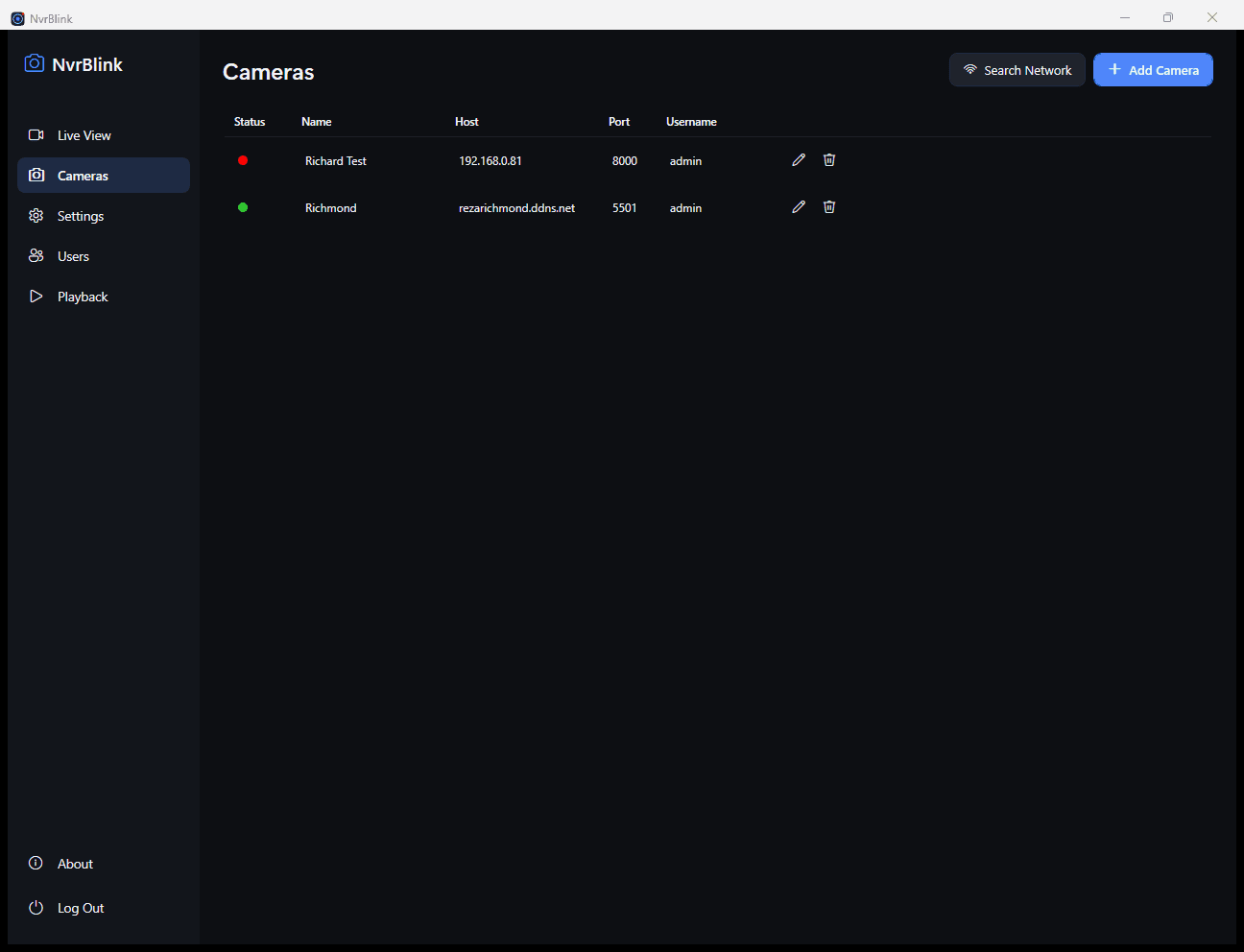
The full NVR · v1.4.4This is where cameras actually get added, recorded, and managed. ONVIF discovery and manual setup with a live test-connection check, a drag-and-drop live view grid (1 to 12 cameras), continuous or motion-triggered recording to a folder you choose, user accounts with Admin/Remote/User roles, and the remote access server the other apps connect to — all running quietly in the system tray.
Download for Windows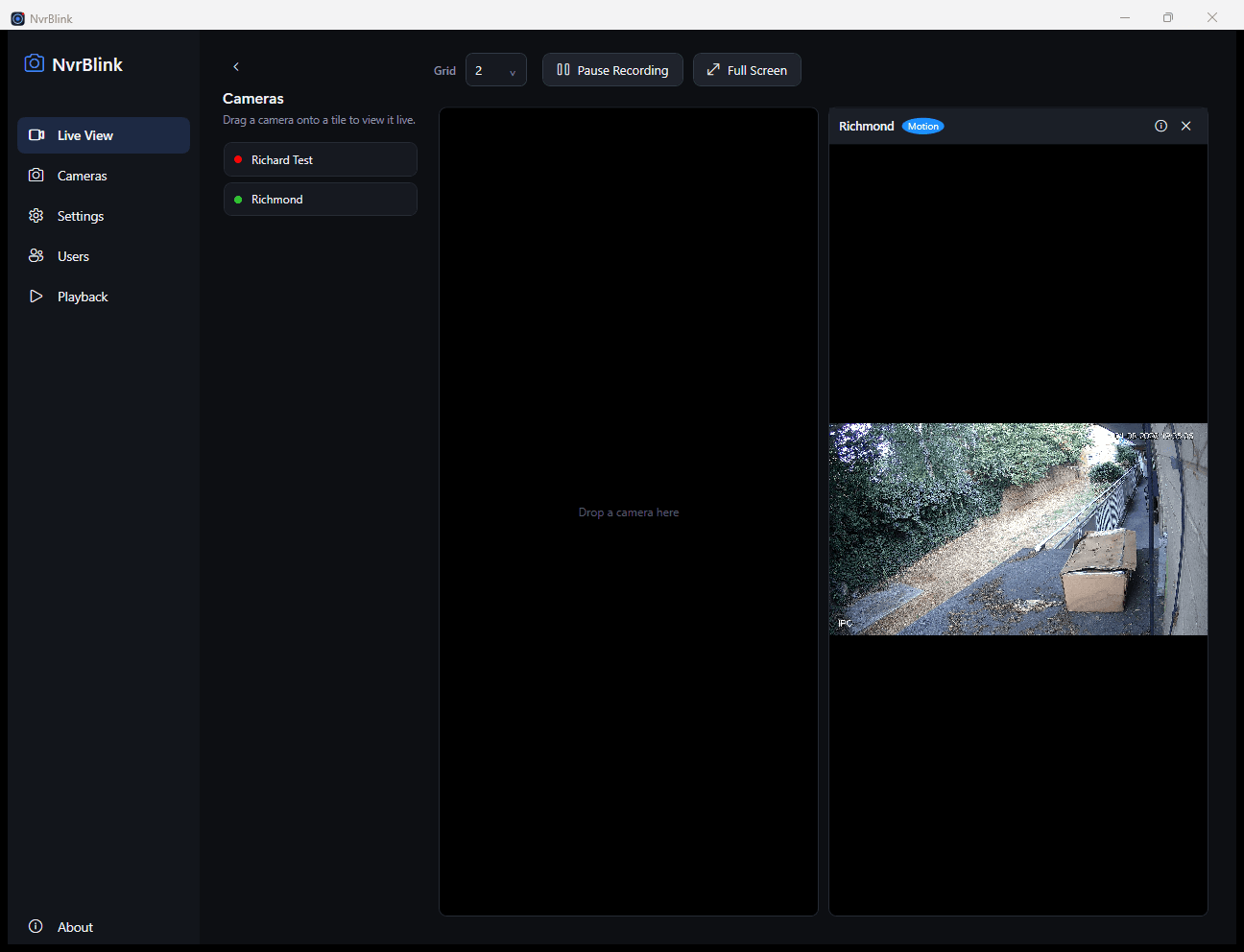
Android
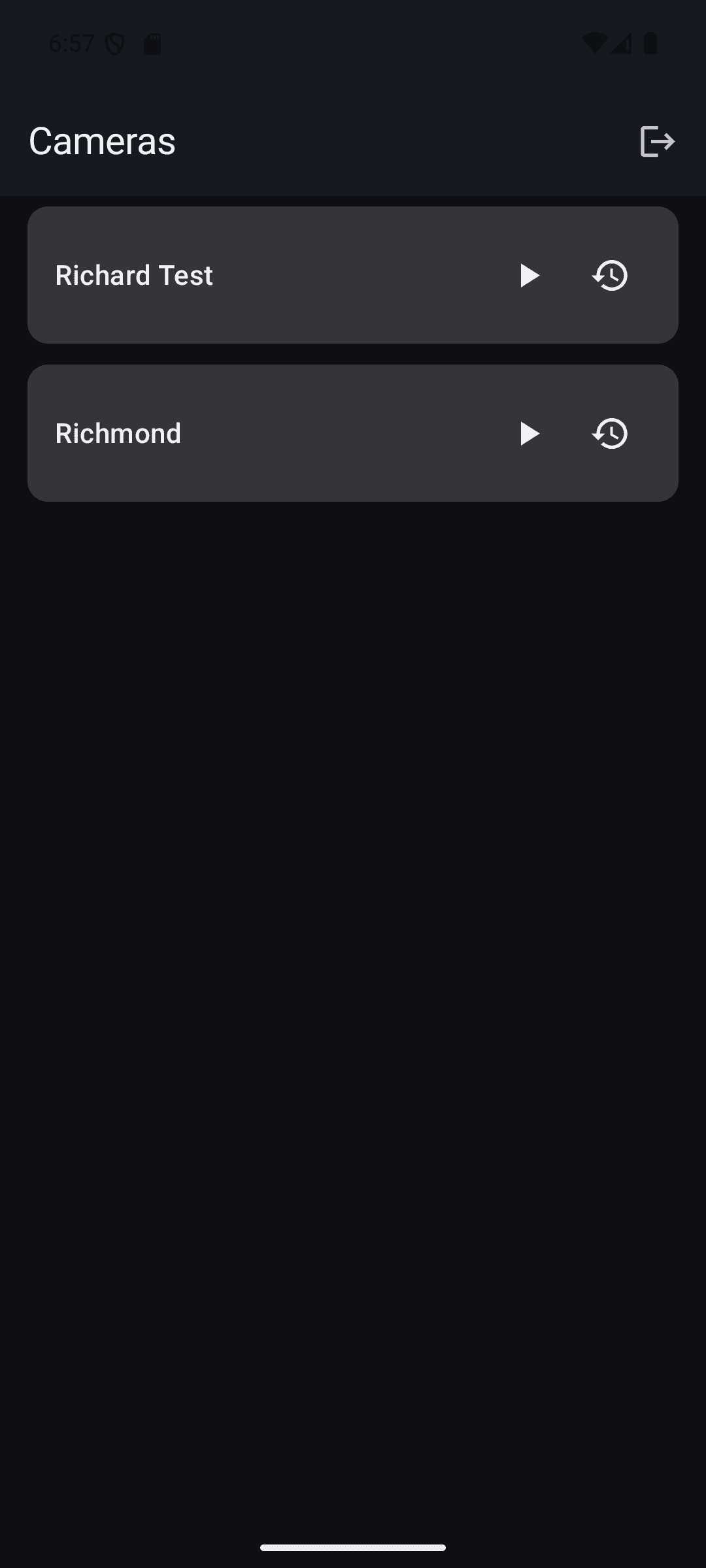
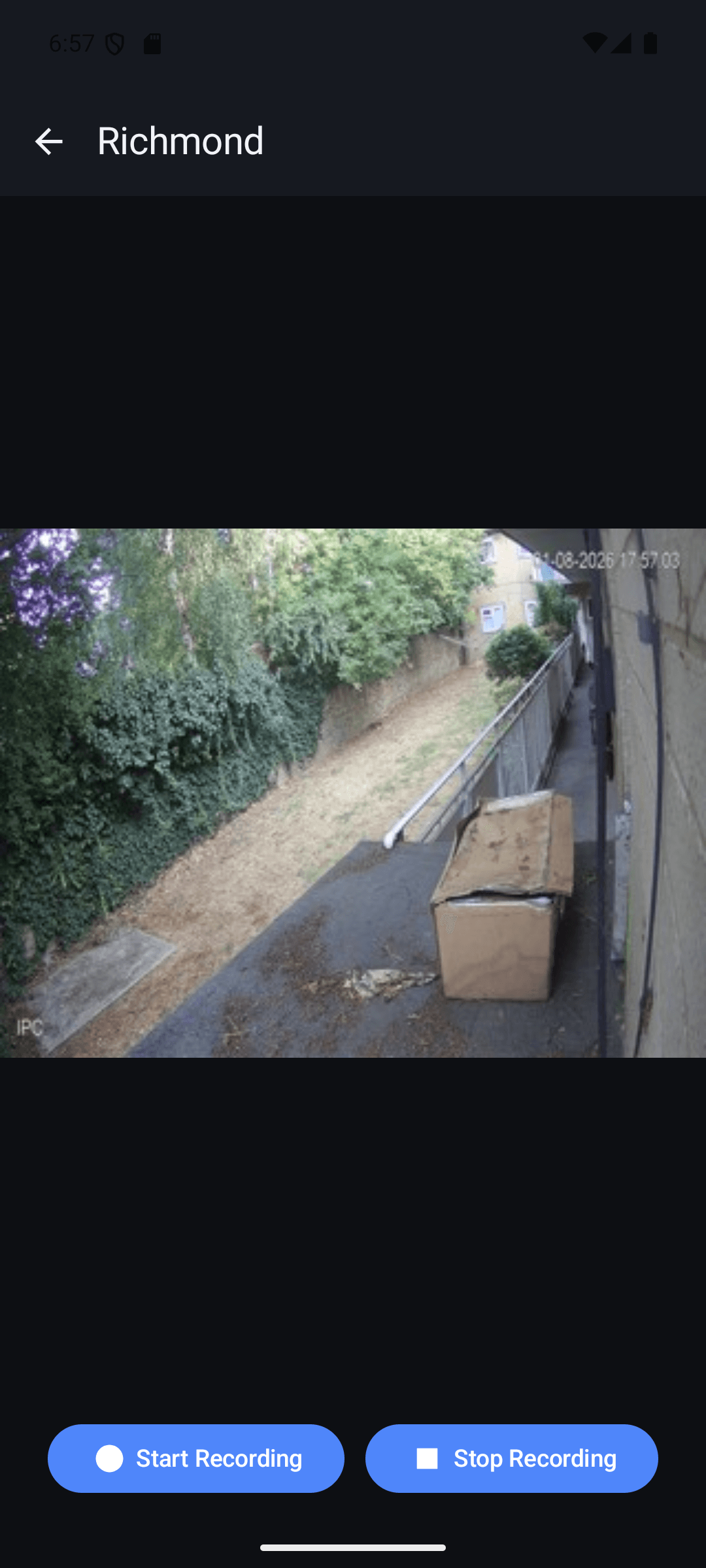
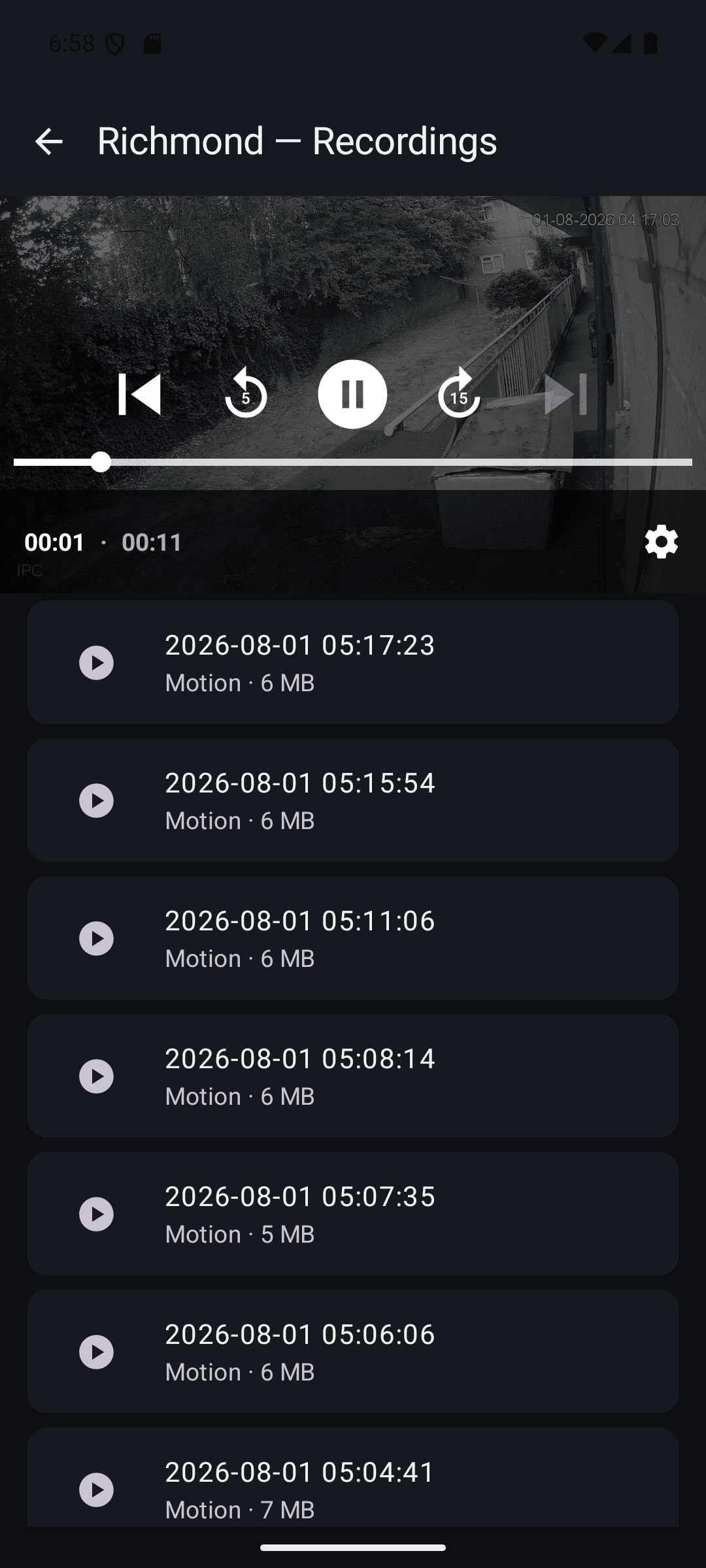
Companion app · v1.7.0 (build 8)Sign in with a Remote or Admin account (User accounts are local-only, by design) to browse your cameras, watch live feeds, and play back recorded clips from wherever you are. It talks directly to your own NVRblink server — nothing routes through us.
Download for Android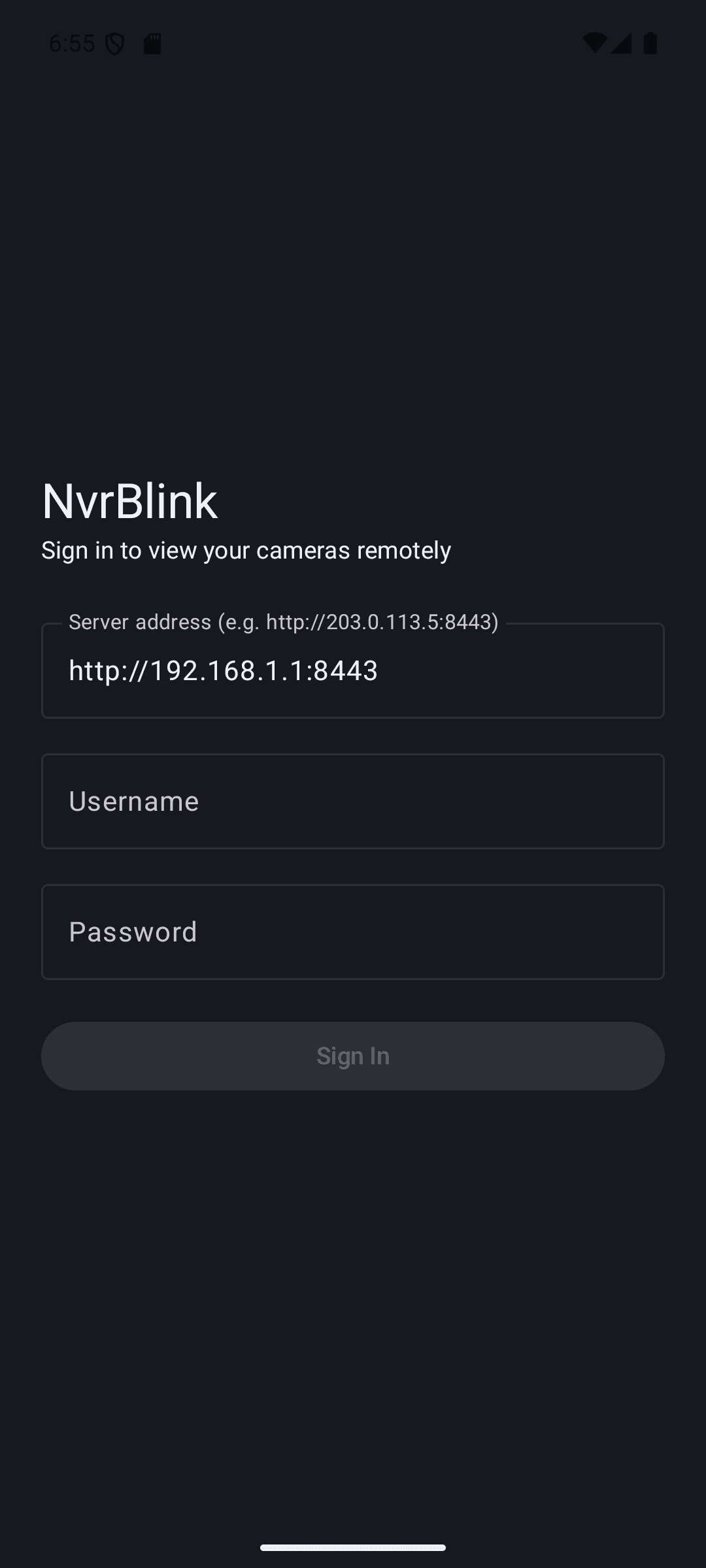
iOS
In testingA native SwiftUI companion app — same idea as the Android app: sign in, browse cameras, watch live feeds, play back recordings. It's currently going through TestFlight beta review ahead of an App Store release. Screenshots will go up here once it's further along — get in touch if you'd like early access.
Web browser
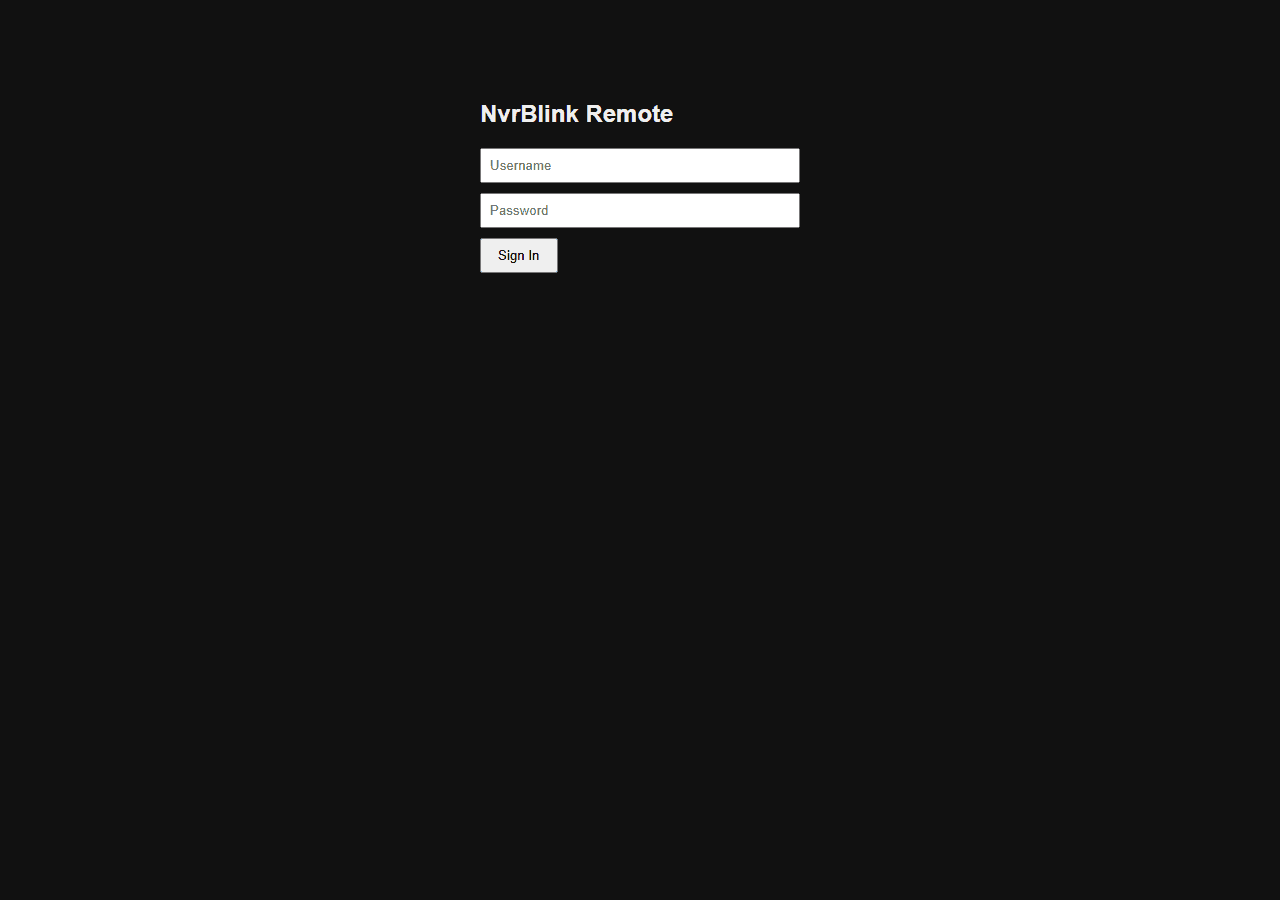
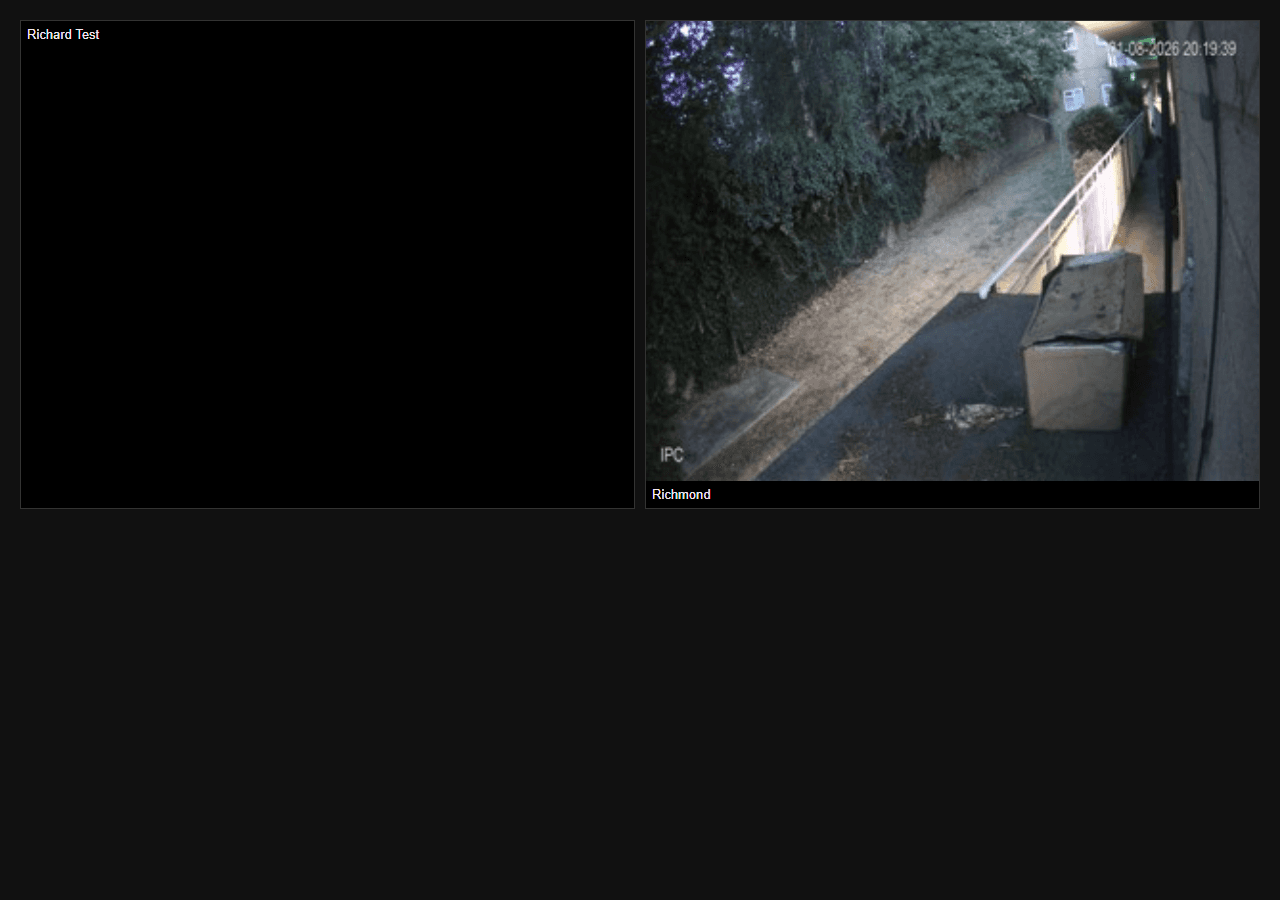
No install at all: Remote and Admin accounts can sign in from any browser pointed at your server's address to view a live camera grid. It's deliberately minimal — a fallback that works everywhere, not a replacement for the apps.
NVRblink Hub
Available nowA small, pre-built PC with NVRblink already installed and configured — for 1 to 32 cameras, for anyone who'd rather not provide or set up their own Windows machine. Plug in your cameras and power, and it's already running.
Learn more & orderSecurity
The short version: everything lives on your own machine, remote access is off until you turn it on, and here's exactly what protects it when you do.
Local-first storage
Cameras, recordings, and accounts are stored in a local SQLite database on the Windows machine running NVRblink. There's no cloud account and no NVRblink server your data passes through — the apps and browser client all talk directly to your own server.
Passwords & camera credentials
Login passwords are hashed with BCrypt — never stored in plain text. Camera passwords need to be recoverable (to actually connect to the camera), so they're encrypted at rest with Windows' own DPAPI, tied to the Windows user account running NVRblink. That also means a stronger Windows account password directly strengthens this.
Remote access: off by default
The remote server the apps and browser client connect to doesn't run at all until an Admin turns it on. When it's on, it serves HTTPS with a self-signed certificate — there's no certificate authority involved, since this is built for LAN use or your own port-forwarded setup, not a public domain. The Windows, Android, and iOS apps pin that specific certificate the first time they connect (the same trust-on-first-use model SSH uses for host keys); the browser client has no equivalent, so it'll show your browser's standard self-signed warning until you choose to trust it.
Authentication & roles
Remote sign-ins use short-lived JWT tokens (8-hour expiry), and only Remote and Admin accounts can sign in remotely at all — the User role is intentionally local-only. Camera and settings management stay Windows-app-only for every role; the remote surface is view-only by design, which keeps what's exposed past your LAN to a minimum.
What we won't oversell
The mobile apps keep your session (server address and sign-in token) in each platform's standard private app storage — Android DataStore and iOS UserDefaults — protected by the OS's normal app sandboxing, not a separate encrypted vault. That's a reasonable bar for a personal device, but worth knowing plainly rather than glossing over. And since real internet exposure means port-forwarding on your own router, that configuration — and its security — is on you, not something NVRblink does automatically.
Want the full release history?
Changelog and every past build lives on the Versions page.